
Walk into any marketing meeting and someone will eventually use the phrase "ATL stratigies" or "BTL activation" or, more recently, "TTL play." If you've nodded along without being sure exactly what they mean, this guide is for you. ATL, BTL, and TTL are old advertaising categories that still matter in 2026, but they matter less than they used to and most marketers obsess over them too much. OOH itself, one of the oldest ATL formats, is covered in more depth at Out-of-home advertising if you want the format history.
Here is the short version. ATL stands for Above the Line, mass-reach untargeted channels like TV, radio, print, and large-format hoardings. BTL stands for Below the Line, targeted activation channels like events, direct mail, sampling, indoor screens, society notice boards, and most digital direct response. TTL stands for Through the Line, hybrid channels like programmatic DOOH, influencer marketing, connected TV, and digital display that combine ATL reach with BTL targeting. Most 2026 campaigns now mix all three. The categories still help with budget allocation. They don't matter as much as the marketing graduate brochures suggest.
The rest of this guide covers what each term actually means, where OOH fits, three real mix examples by business type, and how to buy across the spectrum without an agency.
Where the terms come from
The phrase "above the line" comes from a 1950s accounting convention at Procter and Gamble. On the invoice from the agency, mass media buys (TV, radio, print) sat above a horizontal line because the agency earned a commission on them. Direct activation costs sat below the line because they were billed at cost or a service fee. The line itself was an accounting artefact that became marketing jargon. Sixty years later we're still using it.
What ATL actually covers
Above the Line is the mass-reach end of the spectrum. Channels where you broadcast to a wide audience without granular targeting.
Classic ATL channels:
- TV (network and cable, not connected TV)
- Radio (FM, AM, satellite)
- Newspapers and magazines (national and large regional)
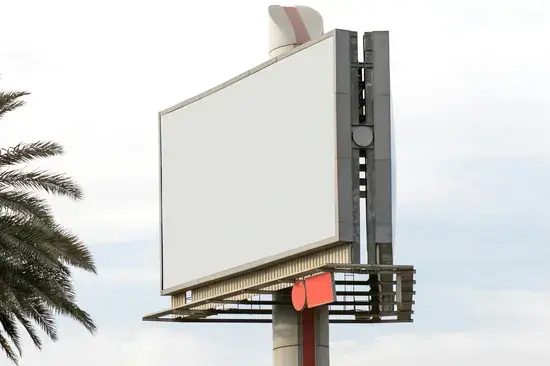
- Large-format outdoor: highway hoardings, metro spectaculars, premium LED bulletins
- Cinema (network buys, not single-screen slides)
The defining features. The audience is broad and largely untargeted. The cost per impression is low but the cost per qualified lead is high. The creative tends to be longer, more emotional, more brand-led. Measurement is harder. Repetition over time is how it works.
ATL is good for awareness, brand building, salience, and getting your name into the cultural background. It is not good for direct response.
What BTL actually covers
Below the Line is the targeted activation end. Channels where you can identify or filter the audience and drive a specific action.
Classic BTL channels:
- Direct mail and email
- Events, sponsorships, and experiential activations
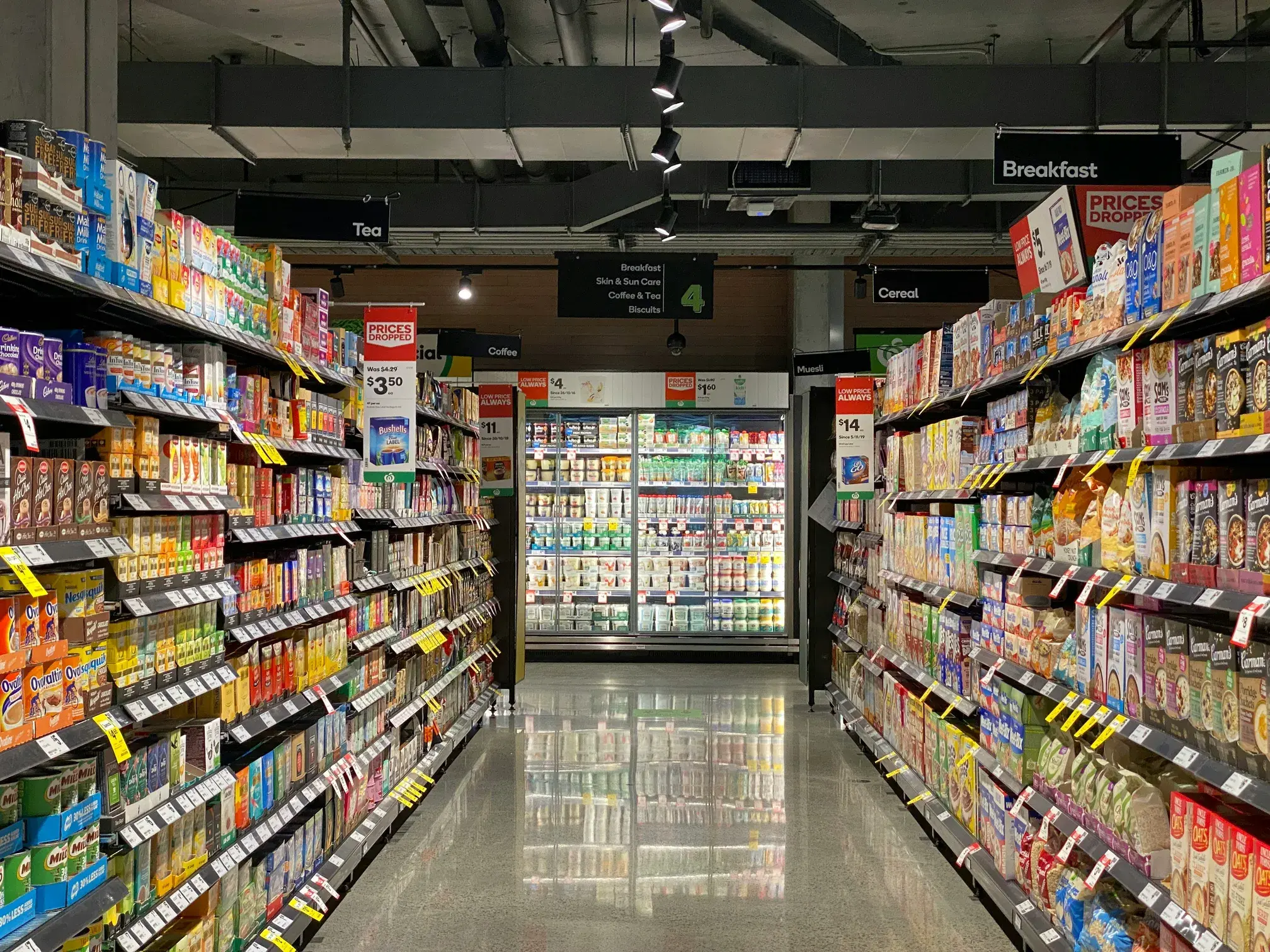
- Sampling and in-store demonstrations
- Point-of-sale displays
- Small-format outdoor: indoor screens at salons, gyms, restaurants, mall LEDs, society notice boards, shop window vinyls, cinema slide single-screen buys, auto rickshaw hoods
- Telemarketing
- Direct response print
- Most search and direct response digital
The defining features. The audience is targeted, often by venue, behaviour, or location. The cost per impression is higher but the cost per qualified action is lower. The creative is short, action-led, often with a specific offer. Measurement is much easier because you can attribute responses.
BTL is good for conversion, sampling, trial generation, and lower-funnel response. It is not good for broad awareness.
What TTL actually covers
Through the Line is the hybrid that emerged because the original distinction stopped describing reality. Channels that combine ATL-like reach with BTL-like targeting.
Classic TTL channels:
- Programmatic digital display
- Programmatic DOOH (Blip, Vistar Media, Place Exchange)
- Connected TV (CTV) and streaming ads
- Social media advertising (paid Meta, paid TikTok, paid LinkedIn)
- Influencer marketing
- Retargeting and audience-based digital
- Branded content and native advertising
The defining feature is that these channels let you broadcast at scale and target precisely at the same time. A programmatic DOOH buy can hit screens across a city (ATL-like reach) while only showing on screens near specific zip codes during specific time windows (BTL-like targeting). That hybrid didn't really exist in 1955.
In 2026, TTL is where most ad spend lives. The pure ATL and pure BTL ends of the spectrum still exist, but the middle has grown.
Where OOH fits
OOH is interesting because it spans the entire spectrum.
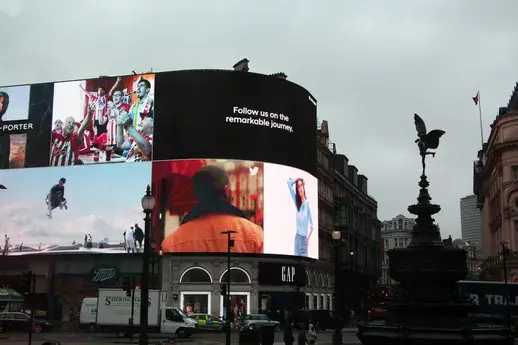
Pure ATL OOH: highway hoardings, metro spectaculars, Times Square LED screens, large premium LED bulletins. Broad reach, untargeted audience, brand awareness role.
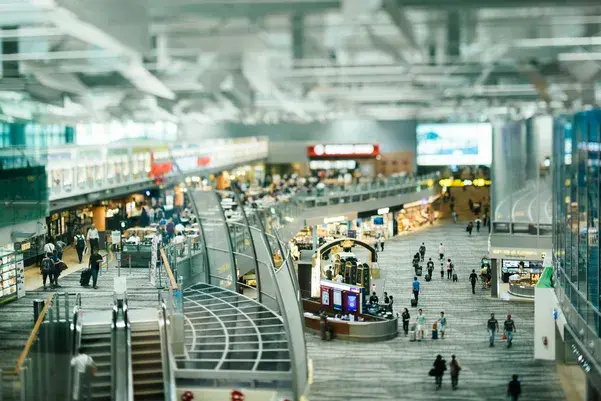
Pure BTL OOH: indoor screens at salons, gyms, restaurants, cinemas, mall LEDs, society notice boards, shop window vinyls, single-screen cinema slides, auto rickshaw hoods inside a specific catchment. Targeted by venue, geographic catchment, and audience type.
TTL OOH: programmatic DOOH on platforms like Blip, Vistar, and Place Exchange. Mass-reach hardware bought with BTL-style audience and location targeting.
This is one reason OOH has held up so well in the digital era. The same channel can serve all three jobs depending on which format you buy. For more on the broad OOH category, see what is OOH advertising.
Where digital fits
Most digital is TTL. It scales like ATL and targets like BTL.
- Display advertising on the open web: TTL.
- Programmatic display: TTL.
- Connected TV: TTL.
- Paid social: TTL.
- Search ads: arguably BTL because intent is high and audience is filtered.
- Email marketing: BTL.
- Influencer marketing: TTL.
The reason marketers stopped obsessing about ATL versus BTL is largely because digital is mostly TTL and digital is now most ad spend.
Mix example 1: small neighbourhood restaurant
Priya runs a 30-seat restaurant in T. Nagar, Chennai. Budget: ₹80,000 a month.
The right mix is BTL heavy with one small ATL piece for the area halo. Roughly:
- ₹15,000 on auto rickshaw hood panels rotating through T. Nagar and Mylapore (BTL, targeted by catchment).
- ₹15,000 on indoor screens at three nearby cafes and one gym (BTL, targeted by venue).
- ₹12,000 on a cinema slide at the nearest single PVR screen for two weeks (BTL, captive audience).
- ₹20,000 on geographically tight Meta ads with a 3 km radius cap (TTL, mass-reach platform with hyperlocal targeting).
- ₹10,000 on a small static hoarding on a feeder road into T. Nagar (ATL piece for area presence).
- ₹8,000 on a Google Business Profile update plus a small set of food micro-influencer collaborations (TTL).
Total: ₹80,000. The mix is roughly 75 percent BTL and TTL, 15 percent ATL, 10 percent organic. The ATL piece does the area halo. The BTL formats do the conversion. The TTL covers the digital backstop. This is the restaurant advertising playbook in ATL BTL terms.
Mix example 2: D2C brand launching in a metro
Tej is launching a D2C skincare brand in Bangalore. Budget: ₹12 lakh for the first three months.
The right mix here is TTL heavy because the brand needs both targeted lower-funnel response (to drive trial) and broad upper-funnel awareness (to build recognition). Roughly:
- ₹3 lakh on paid Meta and Instagram with creative testing and lookalike audiences (TTL).
- ₹2 lakh on Google Search and YouTube ads (TTL).
- ₹2 lakh on influencer marketing across 15 micro-influencers in Bangalore (TTL).
- ₹1.5 lakh on programmatic DOOH at premium gym, salon, and cafe screens across HSR, Indiranagar, and Whitefield (TTL OOH).
- ₹1.5 lakh on one premium LED screen on the Outer Ring Road for one month (ATL).
- ₹1 lakh on sampling activations at three premium gyms and one yoga studio (BTL).
- ₹1 lakh on indoor screens at the same gym network for ongoing presence (BTL).
Total: ₹12 lakh. The mix is roughly 65 percent TTL, 15 percent ATL, 20 percent BTL. The TTL bulk drives audience building and trial. The ATL piece anchors brand recognition. The BTL sampling closes the trial loop on premium customers.
Worth saying: this kind of mix used to require an agency. In 2026, the OOH layer (the LED hoarding, the programmatic DOOH, and the indoor screens) can be booked directly through a marketplace. The digital can be self-served. Only the integrated coordination might still need an agency or a senior freelancer.
Mix example 3: hospital opening a new wing
City Care Hospitals is opening a new oncology wing in Hyderabad. Budget: ₹40 lakh over six months.
The right mix here is ATL heavy because hospital decisions involve broad family awareness and trust building, with BTL activation around the hospital and direct response digital for inbound enquiries. Roughly:
- ₹14 lakh on hoardings across HITEC City, Banjara Hills, Jubilee Hills, and the airport approach for six months (ATL).
- ₹6 lakh on FM radio across two stations for three months (ATL).
- ₹5 lakh on local newspaper print plus health magazine inserts (ATL).
- ₹4 lakh on programmatic DOOH across mall LEDs and gym screens in the catchment (TTL).
- ₹4 lakh on paid Google Search and Meta ads targeting health-related intent (TTL).
- ₹3 lakh on community health camps and free screening events across three neighbourhoods (BTL).
- ₹2 lakh on direct mail to high-income households in the 6 km catchment (BTL).
- ₹2 lakh on indoor screens at the corporate parks where the hospital corporate tie-ups exist (BTL).
Total: ₹40 lakh. The mix is roughly 60 percent ATL, 25 percent TTL, 15 percent BTL. ATL builds the broad familiarity that hospital decisions need. BTL activates the relationship at the community level. TTL captures the high-intent inbound.
Why marketers obsess less about this in 2026
Two reasons.
First, most channels are now TTL. The strict ATL versus BTL split was clean in 1985 when TV was just TV. Today, a single programmatic DOOH buy can be bought as ATL or BTL depending on how you configure the targeting. The categories blur at the channel level.
Second, performance measurement has gotten better. The old ATL and BTL divide was partly because ATL was unmeasurable and BTL was measurable. Today, ATL channels like CTV have ATL-like reach with BTL-like attribution, so the gap has closed.
The categories still matter for budget allocation. Knowing how much of your spend is broad-awareness versus targeted-conversion is genuinely useful for planning. The categories matter much less for actually executing the campaigns. You don't really pick "an ATL channel," you pick a specific format and configure it.
Where billboards versus Instagram lands
A specific worth singling out. People often ask whether to spend on a billboard (assumed ATL) or Instagram ads (assumed BTL or TTL). The honest answer is most SMBs should pick both at different ratios. The billboard vs Instagram ads breakdown covers three real budgets in detail. The summary: a small local billboard handles the ATL job, Instagram handles the conversion. They reinforce each other. Brands using both routinely see 15 to 40 percent lift in Instagram conversion when paired with a local OOH layer.
How to buy across the spectrum without an agency
This is the part that's changed in 2026.
For ATL OOH (highway hoardings, premium LEDs), use a marketplace. AdTown, AdQuick, and others list this inventory at owner rates.
For BTL OOH (indoor screens, society notices, mall LEDs, cinema slides, auto rickshaw hoods, shop window vinyls), use the same marketplace. The breadth of small-format OOH visible on marketplaces is one of the biggest changes in the last five years.
For TTL OOH (programmatic DOOH), use Blip or Vistar Media directly. AdTown surfaces some of this inventory alongside traditional formats.
For digital TTL (Meta, Google, programmatic display, CTV), use the platforms direct or a freelance media buyer.
For BTL non-OOH (events, sampling, direct mail), source the vendors directly. No agency markup needed for sampling kits or community events.
The integrated coordination across all of this is where some brands still want a senior freelancer or a small boutique. That's a strategic role, not a media buying one, and the cost is far below an agency retainer.
For the structural explainer on marketplaces, see the outdoor advertising marketplace guide.
Where AdTown fits
AdTown lets you buy across the ATL and BTL spectrum from one dashboard. A highway hoarding (ATL) sits alongside a salon indoor screen (BTL) sits alongside a programmatic DOOH layer (TTL) on the same listing page. Transparent pricing on all of them. India and USA inventory.
Browse /listings and filter by format and budget. Even if you don't book on the first visit, seeing the full spectrum of OOH formats with real prices changes how you think about ATL versus BTL planning.
Free for both advertisers and owners for the first six months while the platform launches. After that, a small transparent platform fee applies.
The ATL BTL TTL framework is a useful lens for budget allocation. It is not a religious distinction. Most modern campaigns use all three because most modern channels are at least partly hybrid. Use the categories to plan your mix, then ignore them when you're actually executing. For the canonical category-level worked example of an ATL plus BTL plus TTL blend in practice, OOH advertising for FMCG brands is the deepest case study, and how to plan an OOH campaign walks through the eight planning steps before you spend a rupee.
Whichever side of the marketplace you're on
Browse listings if you want to advertise. List your space if you have a wall, window, screen, or hoarding to monetise.
Frequently asked questions
ATL stands for Above the Line advertising. It refers to mass-reach channels like TV, radio, print, and large-format billboards and hoardings. The defining feature is broad, untargeted reach. ATL is best for brand awareness, recognition, and reinforcing a name across a wide audience. Cost per impression is usually low but cost per qualified lead is higher because the audience isn't filtered. In 2026 the line between ATL and BTL has blurred because of digital and programmatic, but the categories still matter for budget allocation.
BTL stands for Below the Line advertising. It refers to targeted, often direct-response channels like direct mail, events, sampling, in-store activations, sponsorships, point-of-sale displays, and small-format outdoor like indoor screens, society notice boards, and shop window vinyls. BTL is best for conversion, sampling, and reaching a defined audience. Cost per impression is higher but cost per qualified action is usually lower than ATL. Most SMBs lean heavily BTL.
TTL stands for Through the Line advertising. It refers to hybrid channels that combine ATL reach with BTL targeting. Modern examples include digital display, programmatic DOOH, influencer marketing, and connected TV. TTL became a common term because the strict ATL or BTL split stopped describing how most channels actually work. A programmatic billboard can be bought with the reach of ATL and the targeting of BTL. Most 2026 campaigns now mix all three.
It depends on the format. Large highway hoardings and metro spectaculars are ATL because the audience is untargeted and mass-reach. Indoor place-based screens at salons, gyms, cinemas, and malls are BTL because the audience is filtered by venue. Programmatic DOOH sits in TTL because you can buy a digital screen with mass-reach hardware but BTL-style audience targeting. Marketplaces like AdTown let you buy all three from one dashboard.
Mostly BTL with one carefully chosen ATL piece if budget allows. A small business typically can't afford the reach of pure ATL and doesn't need it. BTL formats like indoor screens, auto rickshaw hoods, society notice boards, and digital targeted ads convert better and cost less. A neighbourhood restaurant might run ₹35,000 on BTL plus ₹15,000 on a small local hoarding for the ATL halo effect. That mix typically outperforms either approach alone.
Less than it used to be, but still useful for budget allocation. The original term came from a 1950s accounting convention at Procter and Gamble where commissionable mass media was 'above the line' on the invoice and direct-spend channels were 'below the line.' Today's marketers obsess over it less because digital and programmatic have blurred the divide. But for planning, knowing whether a channel is mass-reach or targeted still helps decide where the budget goes.