
OOH advertising is one of the oldest forms of advertising and one of the most misunderstood in 2026. It stands for Out of Home, and it covers every paid message that reaches you when you're not at home. Billboards on the highway, the wrap on the bus you're following, the screen at your gym, the slide before a movie at your local cinema. Anywhere the message meets you in physical space.
Here's the short version. OOH is now a $40 billion+ global industry, growing because it does two things digital can't easily do: reach people without an algorithmic filter between you and them, and tie a message to a specific physical place. Five major formats: billboards and hoardings, transit, street furniture, place-based, and programmatic digital OOH. It's bought through agencies, directly from owners, or through transparent marketplaces. Costs range from $50 starter tests to $50,000+ trophy campaigns. It's not just for big brands anymore. SMBs and first-time advertisers now make up a fast-growing share of OOH buyers. The Out of Home Advertising Association of America (OAAA) publishes the annual US spend and format breakdowns behind numbers like these.
What OOH actually means
OOH is the umbrella term for advertising you encounter outside the home. The category includes:
- Out of Home (OOH): the umbrella term.
- DOOH: Digital Out of Home, the LED and screen-based subset.
- pDOOH: programmatic Digital Out of Home, where DOOH inventory is bought via real-time auction the way digital display ads are bought.
The defining characteristic is that the audience cannot opt out, mute, or skip. Unlike a TV ad or an Instagram ad, the viewer simply sees the message in their physical environment. This is OOH's fundamental strength and its discipline. Because you cannot interrupt or annoy, the creative has to earn the second of attention you get.
The five major formats
1. Billboards and hoardings
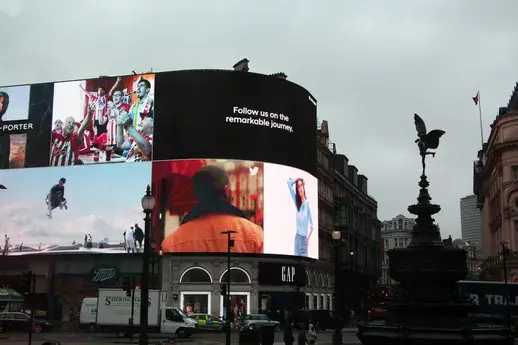
Large outdoor signs, static or digital, on highways, junctions, and busy streets. The most recognisable OOH format. Static billboards (printed vinyl) are cheaper to rent monthly. Digital billboards split the screen across multiple advertisers via rotation, typically 6 to 10 in a loop.
In India, hoardings range from ₹15,000 a month for a small format on a feeder road to ₹4,00,000+ for premium sites in Mumbai or Delhi. In the USA, static billboards start at $250 a month in small markets and reach $25,000+ for major-metro digital bulletins.
2. Transit advertising
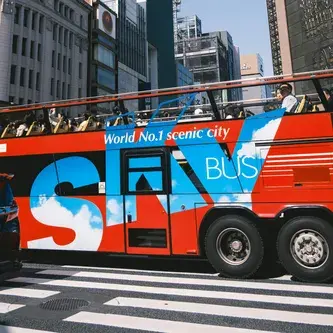
Anything moving. Bus wraps, metro panels, taxi tops, auto rickshaw hoods, train station ads, airport displays. Transit reaches commuters with high frequency because the same person sees the same vehicle dozens of times across a month.
In India, auto rickshaw hood panels start at ₹4,000 a month per auto. Bus wraps and metro panels run ₹25,000 to ₹2,00,000 per asset per month depending on city. In the USA, taxi-top digital screens, transit shelter posters, and bus side panels typically range $500 to $5,000 a month.
3. Street furniture
Bus shelters, phone booths, kiosks, benches, public Wi-Fi posts. Pedestrian-level format. Strong for retail and food and beverage because the audience is already on foot, ready to enter a shop. Costs sit in a similar band to small-format outdoor.
4. Place-based OOH
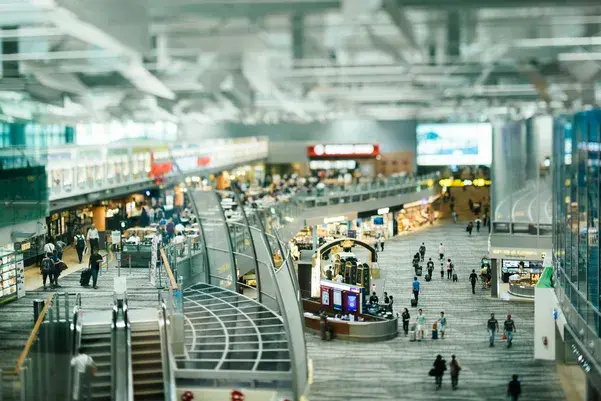
Inventory inside specific venues. Gym screens, salon and barber shop screens, restaurant tabletop displays, mall LED screens, in-cinema slides, airport lounges, doctor and dentist waiting rooms.
In India, mall LED screens run ₹6,000 to ₹35,000 a month. In-cinema slides start around ₹15,000 per cinema per week. In the USA, in-cinema advertising runs $400 to $800 per week per screen. Place-based is one of the highest-engagement OOH formats because the dwell time is measured in minutes, not seconds.
5. Programmatic Digital OOH (pDOOH)
The newest category. DOOH inventory bought via real-time auction. Platforms like Blip, Place Exchange, and Vistar Media let advertisers buy screen time the same way they buy programmatic display. You set a budget, target screens by location and time of day, and your ad rotates until budget is spent.
This is what makes the $50 starter test possible. A first-time advertiser can run a real OOH campaign in a week without ever speaking to a salesperson.
What makes a good OOH plan
Three principles. They sound obvious. Most plans get them wrong.
Geographic relevance
The audience must overlap with where you do business. A national chain advertising in 80 cities is different from a local dentist advertising in three postcodes. Map your customer geography first. Buy inventory inside it.
Frequency over reach
OOH works through repetition. Hitting 100,000 people once is worse than hitting 30,000 people six times. The viewer who sees your name twelve times across a month forms an impression. The viewer who sees it once forgets it within an hour. Plan campaigns of at least 30 days per location.
Creative built for distance and speed
Six words or fewer for a highway billboard. One image. One call to action. Fonts large enough to read at 60 mph or 80 km/h. Most failed OOH campaigns failed at the design stage, not the buying stage. A great location with bad creative wastes the location.
Who OOH is for in 2026
Two audiences, both growing.
SMBs and first-time advertisers
This is the audience OOH used to ignore, plus the brand teams at larger companies looking to skip the agency layer. The ₹4,000 auto rickshaw hood, the ₹15,000 small hoarding, the $50 Blip test, all of these put OOH in reach of restaurants, dentists, salons, gyms, real estate agents, and local D2C brands. A small business that would never have made the cut for a traditional OOH agency can now run a meaningful campaign in a week. Lean in-house marketing teams at larger companies are showing up in the same flow, running tactical buys themselves instead of paying agency markup on a regional plan.
For both, OOH offers something digital does not: undivided physical attention from people in your geographic footprint. No algorithm decides whether they see you.
Large established brands looking for a change
The other growing audience is large brands that have spent years working through traditional advertising agencies and want a different model. Common reasons: the 15 to 25 percent agency markup on outdoor adds up to real money on multi-million dollar campaigns. Quote turnaround is slow. Inventory recommendations sometimes feel more about the agency's preferred suppliers than the best fit. Reporting is opaque.
For these brands, going direct via a transparent marketplace doesn't replace the agency for everything. It does, however, let the brand handle straightforward OOH buys themselves and reserve the agency for genuinely complex strategic work. Many brands now run hybrid models: agency for the integrated multi-channel campaign, direct or marketplace for tactical OOH and regional buys.
This shift is one of the bigger structural changes in OOH this decade. Brands that never thought about buying inventory directly are now doing it routinely, often saving 15 to 25 percent on the same spend.
OOH versus digital, and why both
OOH is rarely the only advertaising channel a business runs. The strongest campaigns combine OOH for awareness and trust with digital for response and retargeting. Studies consistently show that pairing OOH with digital lifts the digital response rate by 15 to 40 percent. The OOH layer makes the brand feel familiar so the digital ad converts at a higher rate.
For a deeper apples-to-apples breakdown, billboard vs Instagram ads for small business walks through three real budgets.
How OOH is bought in 2026
Three routes.
Traditional agency. Best for complex multi-market campaigns. Markup typically 15 to 25 percent on the media. Slowest. Most curated.
Direct from owner. No markup. Limited to that owner's inventory. Good for repeat buyers with a known set of locations.
Transparent marketplaces. Different platforms, different booking models. AdQuick aggregates inventory with a quote-and-shortlist flow for many buys. Blip runs a programmatic-auction rotation where you set a daily budget and your ad cycles across screens, you do not pick a specific board. Vistar Media and Place Exchange are SSP and DSP infrastructure that agencies plug into rather than direct booking destinations. AdTown is the only true direct-booking marketplace in OOH, where you see the listing, the photos, and the rate and click to book the specific board for the specific dates. Self-serve booking, no agency markup. Best for SMBs, lean brand teams at larger companies, and any advertiser wanting price clarity. For a deeper structural breakdown of how marketplaces actually work end to end, the outdoor advertising marketplace guide walks through the booking flow.
For more on when an agency genuinely helps versus when you can skip it, see do I need an advertising agency. And if you're trying to figure out where OOH formats fit in classic ATL versus BTL planning, the ATL BTL advertising strategies guide covers the spectrum.
Where AdTown fits
AdTown is the only true direct-booking marketplace for OOH inventory across India and the USA. Browse billboards, hoardings, digital screens, transit (bus, metro, auto, taxi), retail and indoor screens, mall units, kiosks, and in-cinema slides, all with transparent pricing on every listing. You see the photos, the rate, and the dates and click to book the specific unit. Built for advertisers of every size: SMBs running their first campaign, lean brand teams at larger companies, and brand managers wanting to skip the agency layer. The marketplace is free for the first six months while we launch.
If you're learning, browse /listings to see what's actually available in your city and at what price. If you own inventory, list it and we'll handle the rest. Once you've seen real pricing, the next two reads are how to plan an OOH campaign for the step-by-step planning sequence and the OOH advertising budget guide for figuring out what mix your spend can actually carry.
OOH is one of the oldest advertising channels and one of the most useful in 2026, because it's the one most resistant to ad blockers, algorithm shifts, and platform changes. The screen on the wall doesn't update its terms of service. The hoarding on the road doesn't change its targeting rules every quarter. That stability is rare, and it's worth more than it used to be.
Whichever side of the marketplace you're on
Browse listings if you want to advertise. List your space if you have a wall, window, screen, or hoarding to monetise.
Frequently asked questions
OOH stands for "Out of Home" advertising. It refers to any advertising that reaches consumers when they are outside their homes. Billboards, transit ads, mall screens, airport displays, cinema slides, and street furniture all count as OOH. The term distinguishes physical-world advertising from in-home media like TV, radio at home, and digital ads viewed on home networks.
Five major categories. Billboards and hoardings (large outdoor signs). Transit (buses, metros, autos, taxis, trains). Street furniture (bus shelters, kiosks, benches, phone booths). Place-based (gyms, malls, salons, restaurants, airports, cinemas). And programmatic digital OOH, which lets you buy DOOH screens via real-time auction. Each format reaches different audiences in different contexts.
It varies enormously. In India, small-format placements like an auto rickshaw hood start around ₹4,000 a month. Standard hoardings in metros run ₹50,000 to ₹4,00,000 a month. In the USA, small-market static bulletins start at $250 a month, while major metro four-week buys run $3,500 to $25,000. Programmatic tests can start at $50.
Yes for the right goals. OOH excels at brand awareness, trust building, and geographic targeting. It is less efficient for direct response than digital. The best campaigns combine OOH for awareness and digital for conversion, with the OOH layer driving lift in the digital channel's response rates. Multiple studies show OOH improves the performance of paired digital campaigns by 15 to 40 percent.
Two audiences. Small and medium businesses needing local visibility (restaurants, dentists, real estate agents, gyms, salons) and large established brands wanting brand reinforcement, geographic targeting, or a break from the agency-led model. The "old assumption" that OOH was only for big brands is outdated. Marketplaces have made small-format OOH accessible to first-time advertisers.
Three routes. Through a traditional agency (15 to 25 percent markup, useful for complex multi-city campaigns). Direct from inventory owners (no markup, but limited to that owner's boards). Through marketplaces, with different booking models: AdQuick uses a quote-and-shortlist flow for many buys, Blip runs a programmatic-auction rotation across screens, and AdTown is the only true direct-booking marketplace where you see the listing, the price, and click to book the specific board. Vistar Media and Place Exchange are SSP and DSP infrastructure for agencies rather than direct destinations. Marketplaces have grown rapidly in the last five years as advertisers seek pricing clarity.