
If you run a shop, a salon, a cafe, a gym, a clinic, or anything with a physical address and walk-in traffic, you are sitting on advertising real estate. Most owners don't realise this. Brands will pay you between ₹3,000 and ₹40,000 a month, sometimes more, to use your window, your wall, your counter, or a small screen inside your space. You do nothing different. The money shows up monthly. This is a recognised slice of the out-of-home advertising industry, not something informal or unusual.
This guide covers what your space is worth, what formats brands buy, and how to list it without dealing with brokers.
The short version
A storefront with footfall is rentable inventory. The four most common things brands pay for are: an exterior facade vinyl or banner, a window cling, an indoor screen or counter standee, and a wall mural or large poster. Each format has its own rate and its own requirements. You decide which ones you'll allow.
The going rates in Indian metros, for a 30 day cycle, look roughly like this:
- A simple standee or counter card: ₹500 to ₹2,000. This is the easiest thing to offer and the easiest for a brand to book, so it's where most small venues start. You can host more than one at a time.
- Counter screen or counter standee: ₹3,000 to ₹12,000.
- Indoor poster or wall vinyl: ₹4,000 to ₹15,000.
- Window cling: ₹6,000 to ₹20,000.
- Exterior facade vinyl: ₹8,000 to ₹40,000.
- Rooftop hoarding (if your building allows): ₹15,000 to ₹2,00,000+.
USA equivalents run higher, generally 2 to 4x these numbers in major metros. Smaller towns are closer to Indian rates.
What makes a storefront valuable
Three things drive your rate.
- Footfall and visibility. A shop on a busy main road with cars and pedestrians passing is worth several times the same shop on an inside lane. Brands buy eyeballs. Your job is to estimate how many your space delivers.
- Dwell time. Salons, gyms, clinics, cafes, and barber shops are gold because customers sit for 20 to 60 minutes. Even a small screen inside earns more than a window vinyl, because the impression is longer and more attentive. Liquor shops and pharmacies have lower dwell time but very high frequency, which also works.
- Audience match. A premium gym attracts a premium audience. A society kirana attracts a family audience. Brands looking for that profile pay extra. You are not just renting a wall, you are renting the people who walk past it.
If you are not sure what your space is worth, list it with rough numbers and let brands counter-offer. The market tells you fast.
A real example
Saba runs an 8-chair unisex salon in Andheri West, Mumbai. Her shop is on a busy lane with around 4,000 daily passersby. Inside, customers wait an average of 35 minutes per visit. She lists three things on a marketplace:
- A 32-inch LCD counter screen showing brand creatives. Listed at ₹8,000 a month.
- A printed window cling on the front glass. Listed at ₹10,000 a month.
- A small standee at the billing counter. Listed at ₹4,000 a month.
Within six weeks she has all three booked, twice over. Net additional income ₹22,000 a month. Her overhead change was zero. She bought one Android TV stick (₹3,500, one time) for the screen and connected it to wifi.
This is not theoretical. Salons, gyms, cafes, and barber shops with even modest traffic do this routinely once they know the option exists. The reason most don't yet is no one has shown them the workflow.
What about exterior placements
If you own the building, or your lease lets you sub-rent the facade, you can also list:
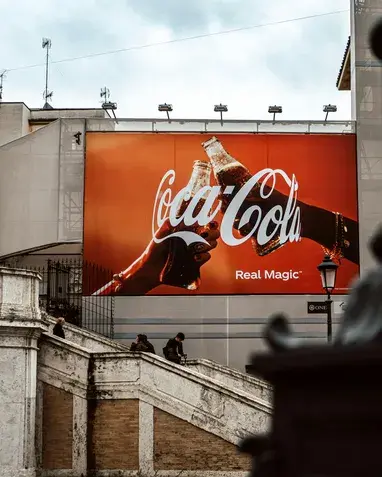
- Exterior facade vinyl: a printed flex covering part of your front wall. Brand pays for printing and pasting. You earn rent. Most Indian metros require a municipal licence for sizes above a certain threshold (roughly 100 sq ft). The marketplace flags this for you when you list.
- Window glass branding: large vinyl applied to your shop window. Earns more than indoor formats but reduces your own visibility from outside, so most owners price it accordingly.
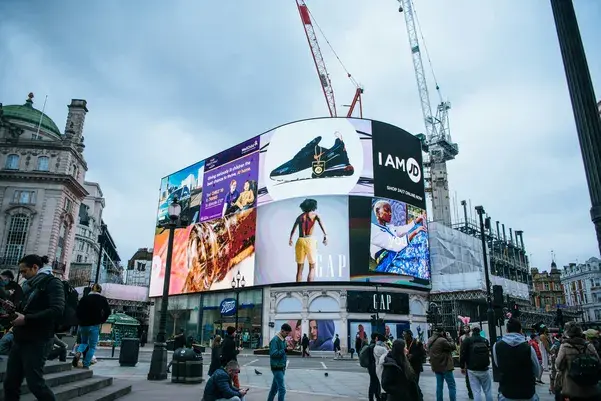
- Rooftop hoarding or pole sign: this is properly OOH inventory. If your roof faces a major road, this is the highest paying format. It needs municipal permissions and structural sign-off.
If you don't own the building, talk to your landlord first. Many landlords are happy to split the income 50/50 because it's pure upside for them too.
What about cafes, restaurants and gyms specifically
Some specifics worth flagging.
- Cafes and restaurants: tabletop tent cards and menu inserts are the lowest friction format. Brands love food and drink venues. Average earnings ₹4,000 to ₹15,000 a month for a small chain or single outlet.
- Gyms: wall murals near treadmills and ellipticals earn the most because dwell time is brutal. Brands targeting fitness, supplements, athleisure, and finance pay premium. Average ₹15,000 to ₹40,000 a month for a single-outlet gym.
- Clinics and dentists: the waiting room is high-attention low-distraction inventory. Healthcare and insurance brands actively target this. Average ₹6,000 to ₹20,000 a month.
- Barber shops: the chair view, the mirror frame, the counter shelf. Smaller money but very stackable across multiple shops if you own a chain.
This list isn't only shops and salons. Any place people spend time in has the same rentable footfall: badminton and turf courts, gaming and VR zones, coaching centres and tuition classes, co-working spaces, physiotherapy and diagnostic clinics. If that's you, the guide to renting ad space at a footfall business goes deeper into what those venues earn and what to put where.
How to list
The fast path looks like this:
- Take 4 to 6 photos of your space. Frontal exterior, interior wide shot, the specific surface you want to rent, plus a daytime and evening shot if visibility changes.
- Estimate daily footfall. If you don't know, count for one weekday and one weekend day at peak hour and extrapolate. Brands trust you more when you show your work.
- Decide formats. Pick the two or three placements you're willing to host. Don't over-list. You can add more later.
- Set a price. Use the ranges in this guide as a starting point. You can adjust after a few inquiries.
- Publish the listing. AdTown is free to use for the first six months while we launch, so right now you list, get bookings, and earn without any platform fee in that window. After that a small transparent fee shows up at checkout. Payment is handled by the platform when a brand books you. You don't chase invoices and you don't negotiate alone.
If the space sits unbooked for two weeks, drop the price 15 percent and try again. The market is honest. It will tell you what you're worth.
What this isn't
This isn't a thier scheme. It isn't quick money. The first month after listing, expect zero or one booking. By month three, most well-located storefronts have a regular cycle of bookings. The owners who do best are the ones who treat their space like inventory: they keep listings current, refresh photos seasonally, and respond to inquiries within a day.
If you have a storefront with steady footfall, list it. The space is already there, the customers are already passing by. You're just adding a second income stream to a business you already run.
Sign up as a space owner and walk through the listing flow. The whole thing takes about ten minutes. You'll see comparable spaces in your city as you go, which is the easiest way to price yours.
List your space and start earning
Free to list. Most spaces go live in under ten minutes. Payment is handled by the platform when a brand books you.
List your spaceFrequently asked questions
Yes. If your shop is on a road with reasonable footfall or vehicle traffic, brands will pay to put a vinyl, a poster, or a small LCD screen there. Typical earnings range from ₹3,000 to ₹25,000 a month in Indian metros, depending on location and visibility. You don't need to change your business or your hours.
A salon counter screen in a metro city earns roughly ₹4,000 to ₹12,000 a month. A shop facade vinyl on a busy road earns ₹6,000 to ₹30,000. A gym wall earns ₹8,000 to ₹40,000 because the dwell time is high. The exact number depends on footfall, location, and the format you offer.
For interior placements like a counter screen or a wall poster inside your shop, you don't need municipal permission. For exterior facade vinyls or rooftop hoardings, most Indian municipalities require an OOH licence. Marketplaces help you understand which formats are allowed at your location.
No. The advertiser ships you the creative and you, or an installer, put it up. Indoor screens auto-update over wifi. The advertiser never visits, never bothers your staff, and the campaign just runs in the background.
14 day and 30 day cycles are most common. Some brands book three or six month deals at a small discount. You can also do single-week trials. Most owners start with a 30 day booking to see how the workflow feels before committing longer.
Through the marketplace. Payment is held when the advertiser books and released to you after the campaign starts. You don't chase invoices. You don't deal with the brand directly unless you want to. AdTown is free to use for the first six months while we launch, so during that window you keep the full booking amount with no platform fee.