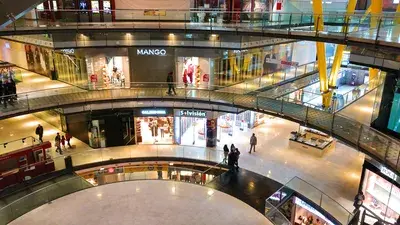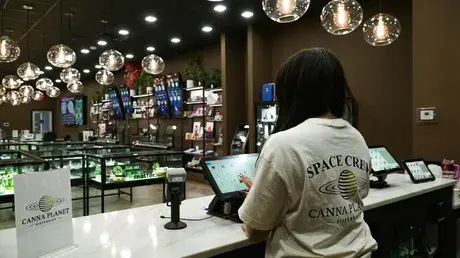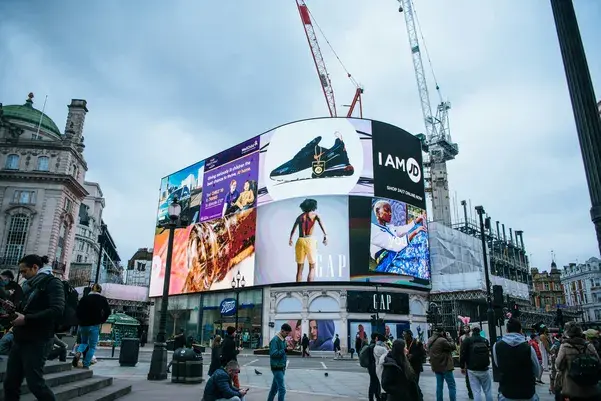

If you run a place that people come to, a badminton court, a gym, a cafe, a salon, a gaming zone, a coaching centre, a clinic, you are sitting on advertising space and probably don't know it. Your main business has nothing to do with ads. That's fine. The footfall you already have, the people sitting, waiting, playing, and passing through every day, is exactly what brands pay to get in front of. You can rent them a spot and earn from it without changing a single thing about how you operate. This kind of small-format, venue-based advertising is a recognised slice of the out-of-home advertising industry, not something improvised or unusual.
This is a newer idea on the owner side, and it's the simplest money most venues will ever make. Here's what your space is worth, what to offer, and how to list it.
The simple version
A brand wants local eyeballs. You have local eyeballs sitting in your venue with time on their hands. So a brand pays you to place a standee near your entrance, a poster on a wall your customers face, a card on your counter, or a screen in your waiting area. You approve it, it goes up, and the rent shows up monthly. The advertiser never interferes with your business, never deals with your customers, and usually never even visits.
The lowest entry is a single standee from around ₹500 to ₹600 a month. Most venues quickly realise they can host several placements at once, and that's where it adds up.
Why footfall venues are worth more than people think
Three things drive what your space earns.
- Dwell time. This is the big one. A billboard gets a 1 second glance. Someone waiting for a badminton court, sitting through a gym session, or waiting 40 minutes at a salon stares at whatever is in front of them for ages. That attention is worth a lot more per person than a roadside impression, which is why brands pay a premium for waiting areas.
- A captive, repeat audience. Your customers come back. The same people see the placement again and again across the month, which is how brands build recall. A passing car never comes back. Your members do.
- Audience match. A premium gym delivers a fitness and finance audience. A gaming zone delivers a young audience. A coaching centre delivers parents and students. A co-working space delivers working professionals. Brands looking for that exact profile pay extra to reach it, and you're handing it to them on a plate.
What different venues earn
Rough monthly ranges in Indian metros. USA venues run higher, generally two to four times these in major cities.
Sports and recreation (badminton and turf courts, cricket nets, swimming pools, sports clubs). High dwell time, loyal repeat crowd, young and spending. Standees and banners near seating and entrances earn ₹2,000 to ₹15,000 each, screens more. A single busy court hosting a few placements can clear ₹10,000 to ₹30,000 a month.
Gaming and entertainment (gaming zones, arcades, bowling, VR centres, kids' play areas). Long sessions, parents waiting, very brand-friendly. Standees, wall posters and screens earn ₹2,000 to ₹20,000 depending on format and footfall.
Services with waiting (salons, barber shops, clinics, diagnostic labs, spas). The waiting area is low-distraction, high-attention inventory. Healthcare, insurance and lifestyle brands target it actively. Counter cards and posters from ₹500 to ₹8,000, screens ₹4,000 to ₹20,000.
Learning and work (coaching centres, tuition classes, libraries, co-working spaces, study cafes). Captive, repeat, well-defined audiences. EdTech, finance, laptops and food brands love these. Standees and posters ₹1,000 to ₹10,000, screens and notice boards more.
You don't need to nail the price on day one. List with a rough number and let the market and any counter-offers tell you what it's really worth.
A worked example
Arun runs a four-court badminton centre in Hyderabad. Evenings are packed, players come three or four times a week, and there's a small seating area where people wait for their slot. None of that footfall was earning him anything beyond court fees.
He lists three things: a standee near the entrance (₹1,500 a month), two wall posters facing the seating area (₹1,200 each), and a small frame at the shoe counter (₹600). Within a few weeks a sports drink brand and a local physiotherapy clinic book most of them. He's earning around ₹8,000 a month extra. His overhead change was zero. He didn't buy anything, hire anyone, or alter his schedule. The placements just sit there while people play.
Stack that across a chain of courts, or add a screen later, and it becomes a real line of income off footfall he already had.
What you can host
You decide what fits your space and brand. The usual options, easiest first:
- A freestanding standee near the entrance or seating. Lowest effort, easiest to book, where most venues start.
- A printed poster or framed panel on a wall people face while waiting.
- A counter card or small standee at the billing or reception desk.
- A screen, if you have one or are willing to add a cheap Android TV stick, which earns more because the content can rotate.
- A window or facade vinyl, if your frontage faces a busy road. This earns the most but usually needs a municipal licence, which the listing flags for you.
Start with one or two. You can always add more once you see how easy it is.
How to list in about ten minutes
- Take 4 to 6 photos. The exterior, a wide interior shot, and the specific spot you want to rent. A daytime and an evening shot help if your footfall changes.
- Estimate your daily footfall. If you don't know it, count for one weekday and one weekend day at peak and extrapolate. Brands trust you more when you show the number.
- Pick your formats. Choose the one or two placements you're happy to host. Don't over-list at first.
- Set a price using the ranges above and the comparable listings the platform shows you.
- Publish. Most listings go live in under ten minutes. Payment is handled by the platform when a brand books you, so you don't chase anyone, and you don't have to negotiate alone.
If a spot sits unbooked for a couple of weeks, drop the price 15 percent and try again. The market is honest and it'll tell you what you're worth fast.
A note on staying in control
Your venue, your rules. You approve every brand and every piece of creative before it goes up, you choose the spots, and you can refuse anything that competes with your own business or doesn't fit your space. Most owners keep it to tasteful, non-competing brands, which reads to customers like normal signage and quietly pays the rent.
If your space is more of a classic storefront, a shop, a cafe counter, a salon window, the storefront passive income guide goes deeper on those formats. And if you own a proper hoarding, LED screen or transit asset, the guide to listing a billboard for rent is the one for you.
Ready to earn from footfall you already have? Sign up as a space owner, list your spot, and let brands book it. AdTown is free to use for the first six months while we launch, so right now you keep the full booking amount with no platform fee.
List your space and start earning
Free to list. Most spaces go live in under ten minutes. Payment is handled by the platform when a brand books you.
List your spaceFrequently asked questions
Yes. Any place with regular footfall is rentable advertising space, even if your main business has nothing to do with ads. Brands pay to put a standee, poster, counter card or screen where your customers wait, sit, or pass through. A single standee spot can earn ₹500 to a few thousand rupees a month, and most venues can host several at once. You change nothing about how you run your business.
It depends on footfall, dwell time and location, but rough monthly ranges in Indian metros are: a simple standee or counter card ₹500 to ₹2,000 each, a wall poster ₹2,000 to ₹8,000, an indoor screen ₹4,000 to ₹25,000, and a window or facade vinyl ₹6,000 to ₹40,000. A busy venue hosting a few placements at once commonly earns ₹5,000 to ₹30,000 a month from space that was sitting empty.
Whatever suits your space and you're comfortable with. The common ones are a freestanding standee, a printed poster or frame on a wall, a small card on the counter, a sticker or vinyl on a window, or a screen if you have one. You decide which formats you allow and how many. The advertiser ships you the print or arranges installation, so it's almost no work for you.
Done sensibly, no. A tasteful standee or a frame in a waiting area reads like normal signage, and your customers are used to seeing brands in gyms, cafes and clubs already. You stay in control: you approve what goes up, you pick the spots, and you can keep it to non-competing brands so nothing clashes with your own business.
For interior placements like a standee, counter card, poster or screen inside your premises, you generally don't need municipal permission. Exterior facade vinyls, rooftop boards or anything facing a public road usually need an OOH licence in Indian cities. When you list, AdTown flags which formats are fine indoors and which need permissions at your location.
Payment runs through the platform. When a brand books your space, the money is held and then released to you after the campaign starts, so you never chase invoices. AdTown is free to use for the first six months while we launch, so during that window you keep the full booking amount with no platform fee. After that a small transparent fee shows at checkout.